

Is Tobiko Healthy? Nutrition, Benefits and Risks Explained
Quick Answer: Tobiko is healthy when eaten in moderation, delivering about 3 grams of complete protein, omega-3 fatty acids, and vitamin B12 in just 20 calories per tablespoon.
Key Takeaways:
-
One tablespoon of tobiko provides about 3 grams of complete protein and only 20 calories, making it one of the most nutrient-dense garnishes available.
-
Tobiko contains omega-3 fatty acids (EPA and DHA), vitamin B12, vitamin D, selenium, and iodine.
-
The main health concerns are sodium from the salt-curing process and cholesterol, both manageable at typical serving sizes.
-
Tobiko, masago, ikura, and sturgeon caviar all offer similar benefits, but caviar provides the highest concentration of omega-3s per serving.
-
People with seafood allergies should avoid tobiko, and pregnant women should consult a healthcare provider before consuming raw roe.
Tobiko has moved beyond the sushi counter. Those tiny, crunchy fish eggs now appear on everything from avocado toast to grain bowls and social media food trends.
But a natural question follows: is tobiko actually healthy, or is it just a colorful garnish with no real nutritional value?
The truth is Tobiko packs a surprising amount of nutrition into each small serving. And this guide breaks down the full nutrition facts, specific health benefits, potential risks, and how tobiko compares to masago, ikura, and sturgeon caviar so you can decide how it fits into your diet.
Let's get started!
Is Tobiko Healthy?
Yes, tobiko is a healthy food choice. It is a nutrient-dense source of complete protein, omega-3 fatty acids, and vitamins B12 and D, while being low in calories and carbohydrates.
The primary considerations are its relatively high sodium and cholesterol content, which mean it is best consumed in moderation rather than in large quantities.
The sections below cover the specific nutritional data behind these claims, followed by a detailed look at both the benefits and the risks.
What Is Tobiko?
Tobiko is the roe (eggs) of the flying fish, most commonly harvested from a species called Cheilopogon agoo, also known as the Japanese flying fish. The eggs are tiny, typically around one millimeter in diameter, and have a naturally golden-orange color.
After harvesting, tobiko is cleaned and salt-cured. This curing process gives it a mildly smoky, briny flavor and the distinctive crunchy texture that pops between your teeth. Tobiko is most familiar as a sushi garnish, but it also works as a topping for rice bowls, salads, eggs, and appetizers.
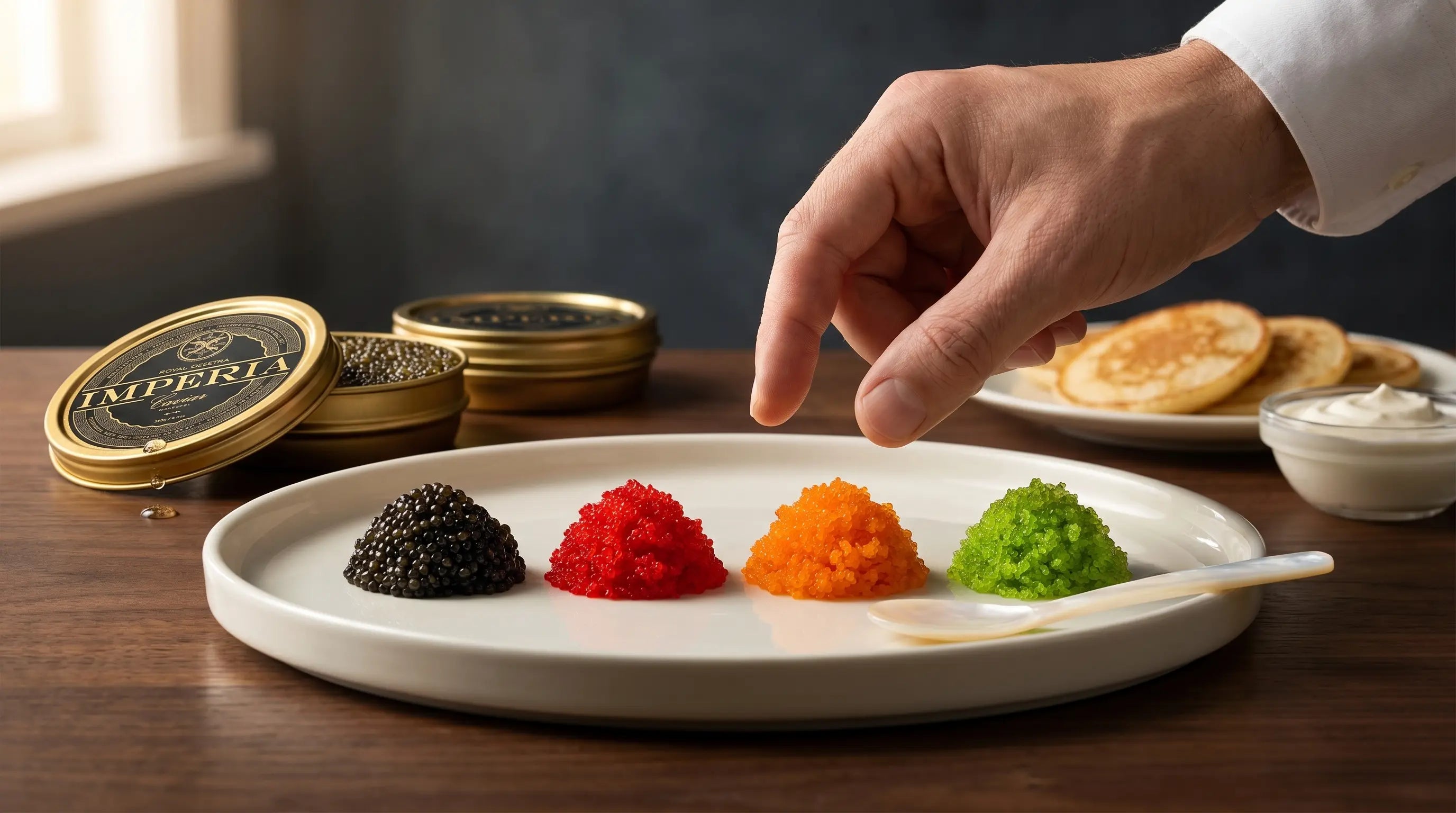
Tobiko comes in several color varieties created through natural flavorings. Green tobiko is infused with wasabi. Black tobiko gets its color from squid ink. Yellow tobiko is flavored with yuzu or other citrus. Each variety has a slightly different taste profile, but the nutritional base is similar.
One common point of confusion: tobiko is not the same as caviar. Tobiko is fish roe from flying fish, while true caviar comes exclusively from sturgeon. Both are types of fish eggs, but they differ in source, flavor, texture, and price. For a deeper comparison, see our guide to tobiko vs caviar.
Tobiko Nutrition Facts
Here is the nutritional breakdown for a standard one-tablespoon (14g) serving of tobiko, based on USDA FoodData Central data for fish roe, mixed species, raw (NDB #175132):
|
Nutrient |
Per 1 Tbsp (14g) |
|
Calories |
20 kcal |
|
Protein |
3 g |
|
Total Fat |
1 g |
|
Saturated Fat |
< 1 g |
|
Carbohydrates |
< 1 g |
|
Cholesterol |
52 mg (17% DV) |
|
Sodium |
13 mg (1% DV)* |
|
Omega-3 Fatty Acids |
~330 mg (EPA + DHA) |
|
Vitamin B12 |
1.4 µg (58% DV) |
|
Vitamin D |
1.7 µg (8% DV) |
|
Selenium |
5.6 µg (10% DV) |
|
Phosphorus |
56 mg (5% DV) |
*Sodium in unseasoned tobiko. Commercially flavored tobiko can contain significantly more sodium depending on preparation.
The standout numbers are the protein-to-calorie ratio and the vitamin B12 content. Three grams of complete protein for 20 calories is exceptional. A single tablespoon delivers over half the daily value for vitamin B12, a nutrient that many adults do not get enough of.
Keep in mind that commercially prepared tobiko with added seasonings, soy sauce, or sugar will have higher sodium and calorie counts than the plain version shown above. Always check the label on packaged products.
Looking for premium quality roe and caviar? Browse the Imperia Caviar collection for sustainably sourced options!
Health Benefits of Tobiko
High-Quality Complete Protein
Tobiko provides all nine essential amino acids, making it a complete protein source. This matters because the body cannot produce these amino acids on its own and must get them from food. With roughly 3 grams of protein per tablespoon, tobiko is one of the most protein-dense garnishes available.
Complete protein supports muscle repair, immune function, and hormone production. For people following pescatarian diets, tobiko offers a compact way to supplement protein intake from seafood sources.
Rich in Omega-3 Fatty Acids
Tobiko contains both EPA and DHA, the two most bioavailable forms of omega-3 fatty acids. A single tablespoon provides roughly 330 mg of combined EPA and DHA.
These fats support cardiovascular health by reducing inflammation and improving blood lipid profiles. They also play a role in cognitive function and brain health.
Tobiko also contains phospholipid fats, similar to those found in salmon roe. Some research suggests phospholipids may support liver health and improve learning ability.
While tobiko has less omega-3 per serving than oily fish like salmon, it contributes meaningfully as part of a varied diet.
Essential Vitamins and Minerals
A single tablespoon of tobiko delivers a meaningful dose of several micronutrients that many people lack. Vitamin B12, at 58% of the daily value per serving, supports nerve function and red blood cell production. Deficiency in B12 can lead to fatigue, weakness, and neurological issues.
Tobiko also provides vitamin D (8% DV; supports bone health and immunity), selenium (10% DV; an antioxidant that protects cells from damage), and phosphorus (5% DV; important for bone health).
Several sources also report that tobiko contains vitamin A and iodine, though exact amounts vary by preparation.
Low in Calories
At roughly 20 calories per tablespoon, tobiko adds flavor, texture, and nutrition without meaningfully increasing caloric intake. For comparison, a tablespoon of cream cheese adds about 50 calories.
A tablespoon of shredded cheddar adds about 28 calories with far less micronutrient density. Tobiko is one of the most efficient ways to enhance a meal nutritionally.
Potential Risks and Side Effects of Tobiko
Sodium Content
Tobiko is salt-cured during production, which raises its sodium levels. Plain, unseasoned tobiko has modest sodium (around 13 mg per tablespoon). However, commercially flavored varieties with added soy sauce, mirin, and seasonings can have significantly more.
People managing hypertension or following sodium-restricted diets should choose unseasoned tobiko and monitor portion sizes. Reading product labels is the best way to know what you are getting.
Cholesterol
One tablespoon of tobiko contains about 52 mg of cholesterol, roughly 17% of the recommended daily value. Because tobiko is typically consumed in small garnish-sized portions, the actual cholesterol impact per sitting is modest for most healthy adults.
Current dietary guidelines no longer set strict cholesterol limits for the general population. That said, individuals with existing cardiovascular conditions or high cholesterol should be mindful and discuss dietary roe with their doctor.
Allergies and Seafood Sensitivities
Tobiko is derived from fish eggs and is a known allergen for people with fish or seafood allergies.
Allergic reactions can range from mild symptoms like hives and itching to severe responses including anaphylaxis. Anyone with a confirmed seafood allergy should avoid tobiko entirely.
Additives and Preservatives
Most commercially available tobiko is dyed and flavored. While natural colorants like beet extract, squid ink, wasabi, and yuzu are common, some products use artificial colors and preservatives.
Checking ingredient labels helps avoid unwanted additives. Look for tobiko that lists natural flavoring agents.
Is Tobiko Safe During Pregnancy?
Tobiko is raw fish roe, and raw seafood carries a small risk of foodborne illness from bacteria like Listeria and Salmonella. Most health organizations advise pregnant women to avoid or limit raw seafood to reduce this risk.
On the positive side, tobiko poses minimal mercury concerns. Flying fish are small, short-lived, and low on the food chain, which means their mercury accumulation is far lower than larger species like tuna or swordfish.
The safest approach during pregnancy is to consult a healthcare provider before eating tobiko or any raw roe.
Some pasteurized roe products may offer a lower-risk alternative while still providing nutritional benefits.
Tobiko vs. Masago vs. Ikura vs. Caviar: Nutrition Comparison
How does tobiko stack up against other popular roe types?
The table below compares the four most common varieties side by side, based on approximate values per one-tablespoon serving.
|
Roe Type |
Calories |
Protein |
Omega-3s |
Sodium |
Cholesterol |
Key Vitamin |
|
Tobiko (flying fish) |
20 kcal |
3 g |
~330 mg |
13 mg* |
52 mg |
B12 (58% DV) |
|
Masago (capelin) |
15–20 kcal |
2.5 g |
200–300 mg |
Higher** |
45 mg |
B12, Collagen |
|
Ikura (salmon) |
30–40 kcal |
3.5 g |
300–500 mg |
Moderate |
70–95 mg |
D, A, Astaxanthin |
|
Caviar (sturgeon) |
40–50 kcal |
4 g |
800–1,100 mg |
240 mg |
94 mg |
B12, D, A, E |
*Unseasoned tobiko.
**Masago sodium varies widely by brand due to processing. All values are approximate and may vary by species, brand, and preparation method. Tobiko data from USDA FoodData Central #175132.
Tobiko and masago are the most similar nutritionally. Masago is slightly lighter in calories but also delivers somewhat less protein and fewer omega-3s per serving. For most people, the nutritional differences between these two are minor.
Ikura stands apart with higher omega-3 content per serving, thanks to the larger egg size and higher fat content of salmon roe. It also contains astaxanthin, a potent antioxidant pigment. The trade-off is higher calorie and cholesterol counts.
Sturgeon caviar offers the most concentrated nutritional profile. It has the highest protein, omega-3, and vitamin density per serving. It is also the most expensive. For those looking for maximum nutritional return from fish roe, caviar is the premium choice.
Curious about the premium end of the spectrum? Explore Imperia Caviar's sustainably sourced sturgeon caviar collection.
Is Tobiko Good for Specific Diets?
Keto and Low-Carb Diets
Tobiko has virtually zero carbohydrates per serving (less than 1 gram), making it a natural fit for keto and low-carb eating plans.
Its combination of protein and fat, with no sugar, aligns well with ketogenic macronutrient targets. Use it as a topping for omelets, salads, or keto-friendly sushi bowls.
High-Protein Diets
With 3 grams of protein in just 20 calories, tobiko has one of the highest protein-to-calorie ratios of any common food. It works well as a supplementary protein source added to meals that need a boost.
Pescatarian Diets
Tobiko checks every box for pescatarians: it is a complete protein with all nine essential amino acids, provides omega-3 fatty acids, and comes from a seafood source. It is an efficient way to increase nutrient intake without adding large portions to a meal.
How to Enjoy Tobiko in a Healthy Way
A little tobiko goes a long way. One tablespoon is enough to add flavor, texture, and a nutritional boost to any dish. Here are some practical tips for getting the most out of it:
-
Use tobiko as a garnish, not a main ingredient. A tablespoon provides meaningful nutrition without excessive sodium.
-
Pair it with nutrient-rich bases: avocado toast, brown rice bowls, leafy salads, or scrambled eggs.
-
Choose minimally processed tobiko with natural ingredients. Products flavored with wasabi, yuzu, or squid ink are better options than those with artificial dyes.
-
Store tobiko properly. Keep it refrigerated at all times and consume within the recommended timeframe on the packaging.
Quality matters with roe. Imperia Caviar's expertise spans the full range of premium fish eggs and sturgeon caviar. Explore the collection.
Conclusion
Tobiko is a healthy, nutrient-dense food that earns its place in a balanced diet. It delivers complete protein, omega-3 fatty acids, vitamin B12, and several other essential micronutrients, all in a low-calorie package. The main considerations, sodium and cholesterol, are easily managed through moderate portion sizes.
Whether you enjoy tobiko on sushi, in a rice bowl, or as a topping for eggs, a tablespoon adds genuine nutritional value alongside its signature crunch.
And for those whose interest in tobiko has sparked curiosity about the wider world of premium roe, the journey does not have to stop here.
Explore Imperia Caviar's collection of sustainably sourced sturgeon caviar and discover the premium end of the roe spectrum. Shop Imperia Caviar today!


